
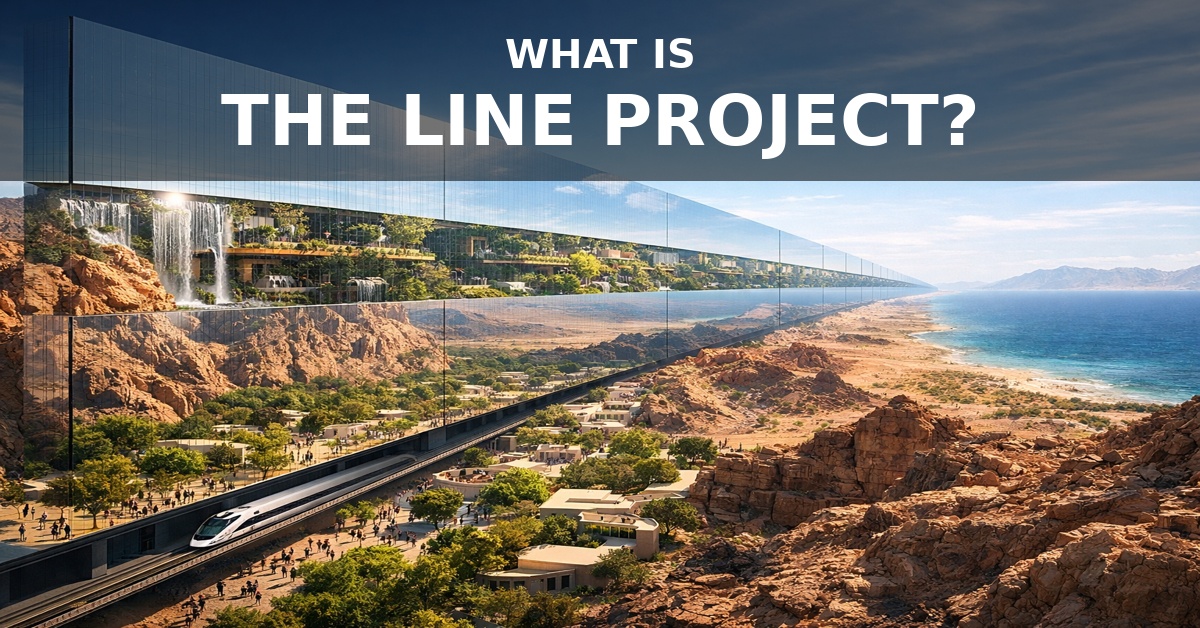
If you’ve heard about the “Dubai The Line project,” you’re not alone. The term has been trending across social media and search engines, sparking curiosity about futuristic cities in the Middle East. However, there’s a common misconception—The Line is not in Dubai.
The groundbreaking project known as The Line is actually being developed in Saudi Arabia as part of the larger NEOM mega-city initiative. Still, Dubai’s own smart city innovations make it relevant to compare.
In this blog, we’ll break down what The Line is, why people associate it with Dubai, and how it’s reshaping the future of urban living.
What Is The Line Project?
The Line is a revolutionary urban development concept that aims to redefine how cities are built. Unlike traditional cities that expand outward, The Line is designed as a linear city stretching approximately 170 kilometers.
This futuristic project is part of NEOM, a $500 billion development initiative in Saudi Arabia, focused on sustainability, technology, and innovation.
Key Features of The Line:
- No cars or roads
- 100% renewable energy
- Walkable communities
- AI-powered infrastructure
- High-speed underground transit
The idea is simple yet groundbreaking: create a city where everything residents need is within a 5-minute walk.
Why Do People Call It “Dubai The Line”?
Dubai has long been known for ambitious projects like:
- Burj Khalifa
- Palm Jumeirah
- Dubai Marina
Because of this reputation, many people assume that futuristic concepts like The Line must belong to Dubai. However, that’s not the case.
The confusion comes from:
- Dubai’s global leadership in innovation
- Similar smart city initiatives in the UAE
- Media headlines blending Middle East mega-projects
While Dubai doesn’t have The Line, it is actively developing smart and sustainable urban projects.
How Is The Line Different from Traditional Cities?
1. Linear Design Instead of Urban Sprawl
Most cities spread outward, leading to traffic congestion and long commutes. The Line eliminates this by building vertically and linearly.
2. Zero Cars Policy
Cars are replaced by high-speed public transport and walkable pathways, reducing pollution and noise.
3. AI-Driven Living
Artificial intelligence will manage city services, from traffic flow to energy consumption.
4. Sustainable Living
The Line aims to have zero carbon emissions, making it one of the most eco-friendly cities ever planned.
The Vision Behind The Line
The Line is part of Saudi Arabia’s Vision 2030, which focuses on reducing reliance on oil and investing in future technologies.
The project aims to:
- Attract global talent
- Boost tourism
- Promote sustainable development
- Create a new model for cities worldwide
Does Dubai Have a Similar Project?
While Dubai doesn’t have a linear city like The Line, it has several futuristic initiatives that align with similar goals.
1. Smart Dubai Initiative
Dubai aims to become the smartest city in the world through digital transformation and AI.
2. Dubai 2040 Urban Master Plan
This plan focuses on sustainable growth, green spaces, and improved quality of life.
3. Sustainable City Dubai
A fully operational eco-friendly community powered by renewable energy.
These projects show that while Dubai doesn’t have “The Line,” it shares the same vision for future-ready urban living.
Benefits of The Line Project
1. Reduced Commute Time
Everything is within walking distance, eliminating long travel hours.
2. Environmental Sustainability
Zero emissions and renewable energy make it eco-friendly.
3. Improved Quality of Life
Less noise, cleaner air, and efficient services enhance daily living.
4. Technological Integration
AI and smart systems improve efficiency and convenience.
Challenges and Criticism
Despite its ambitious vision, The Line has faced criticism:
- Feasibility concerns: Building a 170 km linear city is complex
- High costs: The project requires massive investment
- Environmental impact during construction
- Social adaptation: Adjusting to a car-free lifestyle
However, supporters believe it could set a new global standard for urban design.
The Future of Urban Living
The Line represents a shift in how we think about cities. Instead of expanding endlessly, future cities may focus on:
- Compact living
- Sustainability
- Smart infrastructure
- Human-centered design
Whether or not The Line fully succeeds, it has already sparked global conversations about the future of urban planning.
Conclusion
So, what is “Dubai The Line project”? The truth is, it’s a mix-up. The Line belongs to Saudi Arabia’s NEOM project, not Dubai. However, Dubai remains a leader in futuristic urban development, with its own ambitious plans shaping the future.
As cities evolve, projects like The Line and Dubai’s smart initiatives show that the future of urban living will be smarter, greener, and more efficient than ever before.
Read More
- Best Price Per Sq Ft in Dubai
- Top Property Developers in Dubai: Best Real Estate Companies
- Which Areas Are Booming in Dubai’s Property Market in 2026?
- Dubai Property Market Gains Momentum as Ceasefire Eases Tensions