
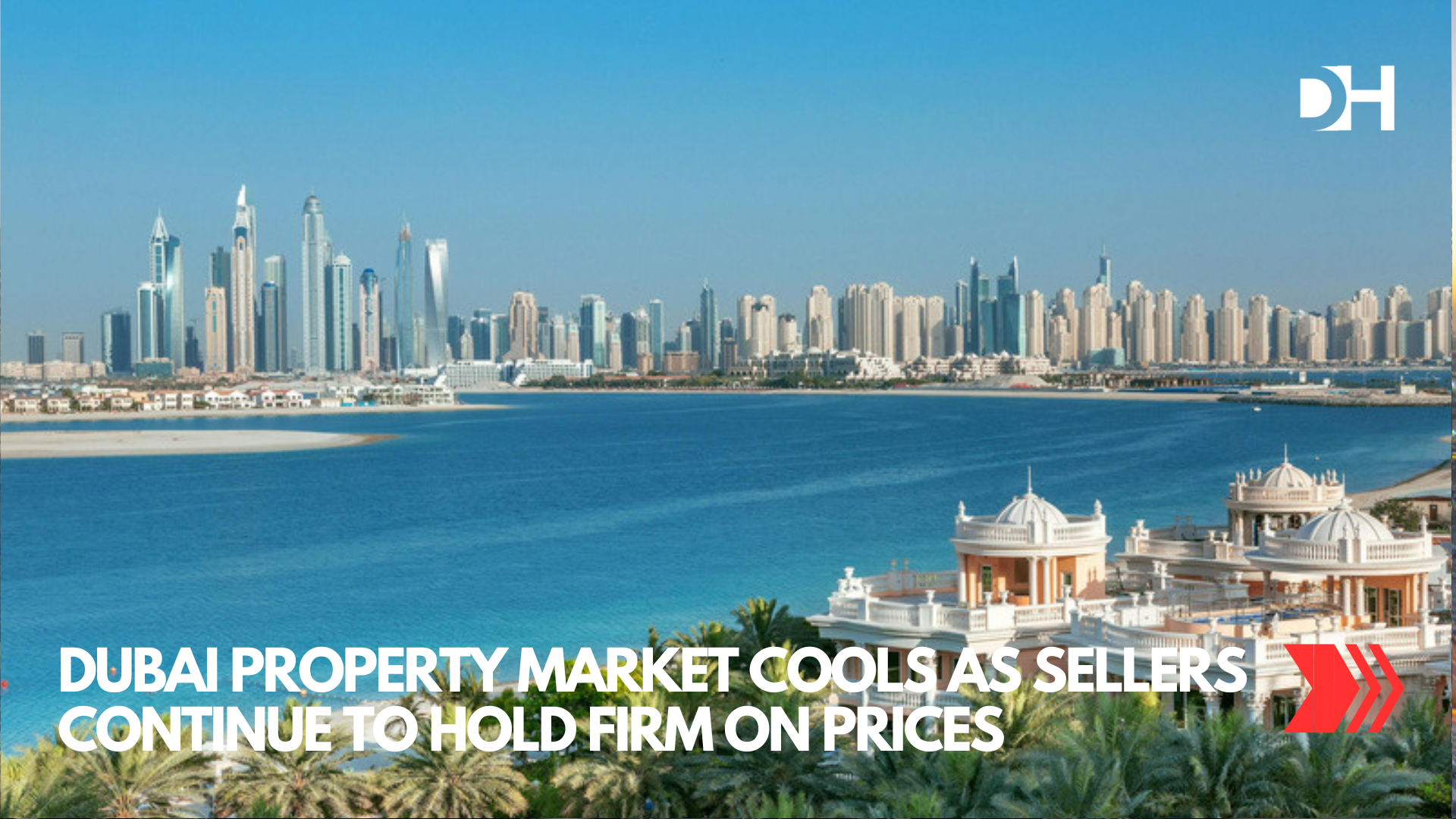
Dubai’s property market has been one of the strongest real estate success stories in recent years. Following a period of rapid growth fueled by strong investor demand, population growth, economic expansion, and government initiatives, the market is now showing signs of moderation. However, while transaction activity has cooled compared to previous highs, property sellers across Dubai are largely refusing to lower their asking prices.
This shift has created a unique market environment where buyers have more choices and slightly less competition, yet prices remain relatively stable. Understanding why this is happening can help investors, homeowners, and first-time buyers make informed decisions in 2026.
A Market Transition Rather Than a Downturn
The current slowdown in Dubai’s real estate market should not be confused with a market decline. Instead, many analysts describe it as a normalization phase after several years of exceptional growth.
During the post-pandemic recovery period, Dubai experienced record-breaking property transactions. Local and international investors flocked to the emirate, attracted by strong rental yields, long-term visas, business-friendly policies, and a tax-efficient environment.
As a result, property prices in many communities rose significantly. Luxury villas, waterfront apartments, and family-oriented communities all benefited from strong demand.
Today, demand remains healthy, but the pace of growth has slowed. Buyers are becoming more selective, and some investors are taking a wait-and-see approach. This has naturally reduced the urgency that characterized the market during its peak years.
Why Sellers Are Holding Firm on Prices
Despite the cooling market, many sellers are unwilling to reduce their asking prices. Several factors explain this trend.
Strong Equity Positions
Many property owners purchased their homes before the latest price surge. As a result, they have substantial equity and are not under pressure to sell quickly.
Unlike distressed markets where sellers must accept lower offers, many Dubai homeowners can afford to wait for buyers willing to meet their expectations.
Continued Population Growth
Dubai continues to attract professionals, entrepreneurs, investors, and skilled workers from around the world. The city’s growing population supports long-term housing demand and gives sellers confidence that suitable buyers will eventually emerge.
Healthy Rental Market
The rental market remains one of the strongest in the region. Landlords are benefiting from attractive rental returns, reducing the need to sell at discounted prices.
For many investors, keeping a property and generating rental income is a better option than accepting a lower sales offer.
Confidence in Long-Term Growth
Dubai’s long-term economic outlook remains positive. Major infrastructure projects, business expansion, tourism growth, and strategic government initiatives continue to strengthen market confidence.
Many sellers believe current market conditions are temporary and expect demand to strengthen again over the coming years.
Buyers Have More Negotiating Power
Although prices remain firm, buyers now enjoy more leverage than they did during the height of the property boom.
In previous years, highly desirable properties often attracted multiple offers within days. Buyers frequently had to act quickly to secure units before competitors stepped in.
Today, transaction timelines are generally longer. Buyers have more opportunities to compare properties, conduct due diligence, and negotiate favorable payment terms.
While sellers may not significantly reduce asking prices, they are often more flexible regarding:
- Payment schedules
- Closing timelines
- Included furnishings
- Service charge adjustments
- Minor price negotiations
This creates opportunities for buyers who approach negotiations strategically.
Which Areas Remain Most Resilient?
Several Dubai communities continue to demonstrate strong pricing resilience despite market moderation.
Popular locations include:
- Dubai Marina
- Downtown Dubai
- Palm Jumeirah
- Dubai Hills Estate
- Business Bay
- Arabian Ranches
- Jumeirah Village Circle (JVC)
These areas benefit from strong rental demand, established infrastructure, and consistent interest from both end-users and investors.
Premium waterfront developments and luxury villa communities are particularly resistant to price reductions due to limited supply and continued international demand.
The Impact of New Supply
One factor contributing to the cooling market is the increasing number of new residential projects entering the market.
Dubai’s off-plan sector remains highly active, with developers launching new communities and towers across the city. As more units become available, buyers gain additional options.
However, strong population growth and ongoing investor interest continue to absorb much of this new supply. This balance between supply and demand helps explain why prices have not experienced major declines despite slower sales activity.
Developers are also introducing flexible payment plans and incentives to attract buyers, creating additional competition for resale sellers.
What This Means for Investors
For investors, the current market environment offers both opportunities and considerations.
The reduced pace of transactions allows investors to conduct more thorough market research and identify properties with strong long-term potential.
At the same time, sellers’ resistance to major price reductions means investors should focus on value rather than expecting dramatic discounts.
Key factors to evaluate include:
- Rental yield potential
- Community growth prospects
- Infrastructure development
- Property management costs
- Future supply pipeline
Investors who focus on fundamentals rather than short-term market fluctuations are likely to benefit from Dubai’s long-term growth trajectory.
Opportunities for End Users
Families and owner-occupiers may find current conditions particularly attractive.
With less competition than during the market peak, buyers can spend more time evaluating properties and selecting communities that match their lifestyle requirements.
Mortgage rates, financing options, and developer incentives can also play an important role in securing favorable purchase terms.
For many residents planning to stay in Dubai for the long term, purchasing a home during a period of market stabilization may prove advantageous.
Outlook for the Dubai Property Market
Looking ahead, most market observers expect Dubai’s real estate sector to remain stable throughout 2026.
Transaction volumes may continue to normalize as buyers become more selective and supply gradually increases. However, strong economic fundamentals, population growth, and global investor interest are expected to support property values.
Rather than experiencing a significant correction, the market appears to be transitioning into a more balanced phase where buyers and sellers have greater negotiating flexibility.
For sellers, patience remains the preferred strategy. For buyers, the current environment offers a rare opportunity to negotiate thoughtfully without facing the intense competition seen in recent years.
Conclusion
Dubai’s property market may be cooling after several years of exceptional growth, but sellers remain confident in the long-term value of their assets. Strong rental returns, healthy economic fundamentals, and continued population growth are helping property owners hold firm on prices despite slower transaction activity.
For buyers and investors, this evolving market presents opportunities to secure quality properties with greater flexibility and less urgency. As Dubai enters a more balanced real estate cycle, both sellers and buyers can benefit from a market driven by fundamentals rather than speculation.
Read More
- Where to Find the Best Property Deals as Dubai Prices Ease
- How Dubai’s 2025–2027 Property Supply Boom Could Affect Prices in 2026
- Will Dubai Property Prices Increase in 2026? Expert Market Predictions
- Are Dubai Property Prices Falling in 2026?
- Will Dubai Property Prices Fall After Iran Attack? Market Impact Explained