
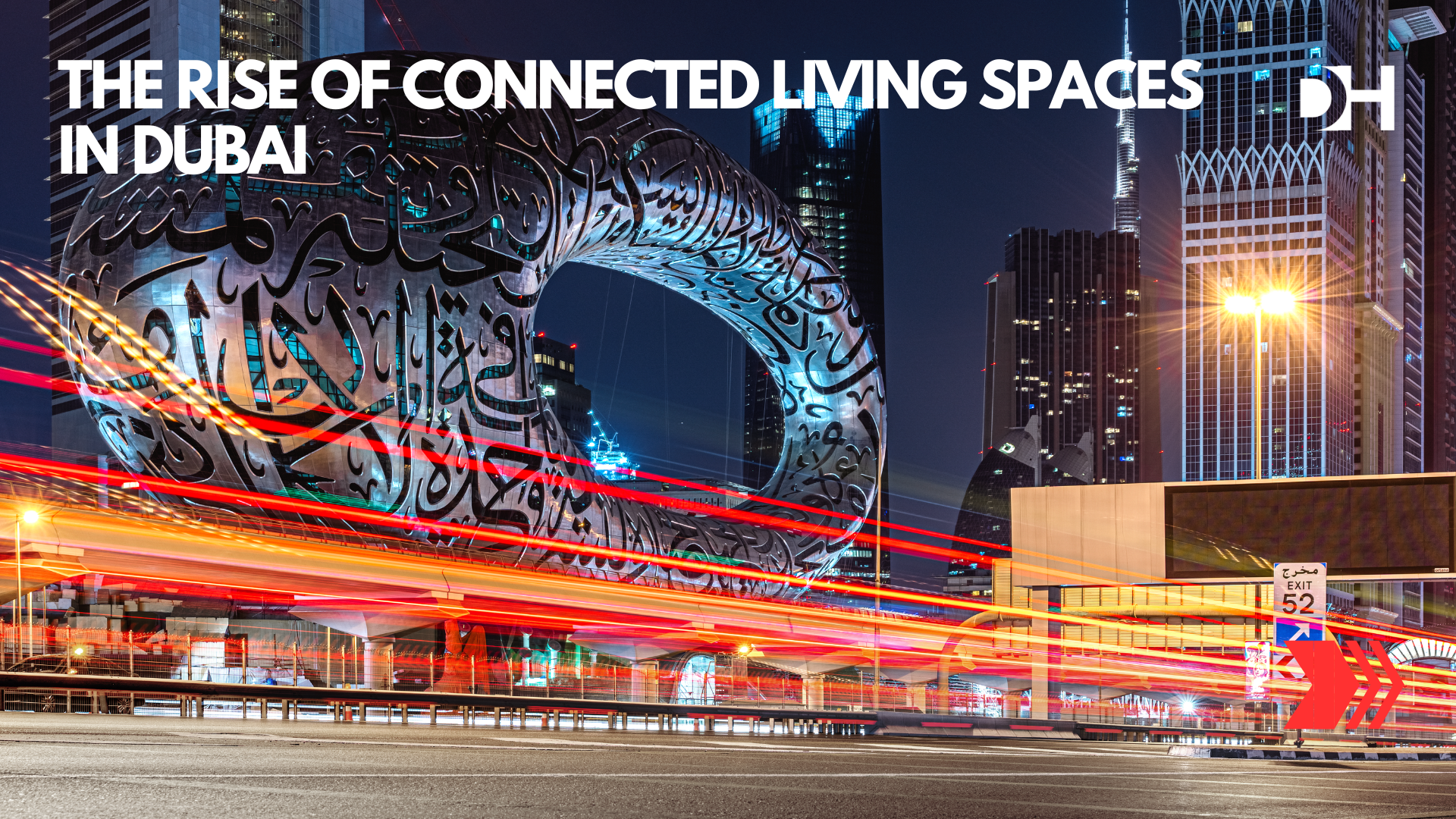
Dubai has long been recognized as a city of innovation, luxury, and futuristic development. Over the past decade, the emirate has transformed its urban landscape through smart infrastructure, advanced technology, and world-class real estate projects. In 2026, one of the strongest trends shaping the property market is the rise of connected living spaces.
Modern residents are no longer searching for homes based only on size or location. Today’s buyers and tenants want convenience, accessibility, smart technology, and integrated communities that support a balanced lifestyle. Connected living spaces are quickly becoming the future of urban living in Dubai.
From smart homes and digital services to mixed-use communities and sustainable developments, Dubai is redefining what it means to live in a modern city.
What Are Connected Living Spaces?
Connected living spaces are communities designed to combine residential, retail, work, wellness, and entertainment experiences within one integrated environment. These developments focus on improving convenience and reducing the need for long daily commutes.
Connected communities often include:
- Smart home technology
- Retail and dining outlets
- Parks and fitness spaces
- Schools and healthcare facilities
- Co-working areas
- Public transport access
- Digital infrastructure
This concept creates a more seamless lifestyle where residents can access most daily essentials within minutes.
Why Connected Living Is Growing in Dubai?
Several factors are driving the rise of connected living spaces across Dubai.
Population Growth
Dubai’s population continues to grow rapidly as professionals, entrepreneurs, and investors relocate to the UAE. This growing population increases demand for modern communities that offer convenience and efficiency.
Changing Lifestyle Preferences
Many residents now prioritize work-life balance, shorter commutes, and wellness-focused lifestyles. Families and young professionals prefer neighborhoods where they can live, work, exercise, and socialize without excessive travel.
Government Smart City Vision
Dubai’s leadership has invested heavily in smart city initiatives and digital transformation. The emirate aims to become one of the world’s most technologically advanced cities, encouraging developers to create smarter residential environments.
Popular Connected Communities in Dubai
Several master-planned developments are leading the connected living trend.
Dubai Hills Estate
Dubai Hills Estate combines luxury residences with parks, schools, shopping destinations, and healthcare facilities. Its central location and integrated design make it highly attractive to families and investors.
Dubai Creek Harbour
Known for its waterfront lifestyle and smart urban planning, Dubai Creek Harbour offers connected residential spaces with retail, leisure, and entertainment experiences.
Expo City Dubai
Expo City Dubai is emerging as a futuristic smart district focused on sustainability, innovation, and technology-driven living.
Dubai South
Dubai South continues to gain attention due to its strategic location near Al Maktoum International Airport and its focus on integrated community living.
Smart Technology Is Transforming Homes
One of the biggest features of connected living spaces is smart home technology.
Smart Home Features
Modern Dubai properties increasingly include:
- Voice-controlled systems
- Automated lighting
- Smart security systems
- Energy-saving appliances
- Remote temperature controls
- Mobile app integration
These technologies improve comfort, security, and energy efficiency.
AI and Automation
Artificial intelligence is also becoming more common in residential developments.
Some communities now use AI-powered systems for:
- Smart parking management
- Visitor access control
- Traffic monitoring
- Energy optimization
Technology is helping make urban living more efficient and convenient.
Connectivity Through Transportation
A connected lifestyle depends heavily on efficient transportation infrastructure.
Dubai Metro Expansion
The Dubai Metro continues to play a major role in linking residential areas with business districts and entertainment hubs.
Properties near metro stations often experience:
- Higher rental demand
- Better resale value
- Increased occupancy rates
Easy transport access remains a major advantage for residents.
Road and Infrastructure Development
Dubai continues to invest billions into roads, bridges, and transport systems to support future growth.
Infrastructure developments connected to:
- Business Bay
- Downtown Dubai
- Palm Jumeirah
are improving mobility and connectivity across the city.
The Role of Mixed-Use Developments
Mixed-use developments are becoming increasingly important in Dubai’s urban planning strategy.
These communities combine:
- Residential apartments
- Offices
- Hotels
- Retail spaces
- Restaurants
- Entertainment venues
within a single integrated area.
Residents benefit from shorter travel times and easier access to essential services. This lifestyle also supports local businesses and creates more vibrant communities.
Areas such as City Walk and Bluewaters Island are strong examples of successful mixed-use developments.
Sustainability and Wellness Are Key Priorities
Connected living in Dubai is not only about technology — it is also about sustainability and healthier lifestyles.
Green Spaces and Outdoor Living
Modern developments increasingly include:
- Community parks
- Cycling tracks
- Walking trails
- Outdoor gyms
- Wellness centers
These features improve residents’ physical and mental well-being.
Eco-Friendly Construction
Developers are also incorporating:
- Solar energy systems
- Water-saving technologies
- Smart waste management
- Energy-efficient materials
Dubai’s sustainability goals are encouraging greener construction practices across the real estate sector.
Benefits for Investors
Connected living spaces are attracting strong investor interest because they often deliver long-term value.
Higher Rental Demand
Properties in connected communities are highly appealing to tenants who value convenience and accessibility.
This can result in:
- Stronger rental yields
- Lower vacancy rates
- Stable long-term demand
Better Capital Appreciation
Communities with advanced infrastructure, transport access, and lifestyle amenities often experience stronger price growth over time.
As Dubai expands, well-connected areas are expected to remain in high demand.
Challenges Facing Connected Communities
While connected living offers many advantages, there are also challenges.
These include:
- Rising property prices in prime areas
- Traffic congestion in busy districts
- Infrastructure maintenance costs
- Balancing rapid development with sustainability goals
However, Dubai’s long-term urban planning strategies continue to focus on managing growth effectively.
The Future of Connected Living in Dubai
Dubai’s vision for the future includes even greater integration of smart technologies and digital services.
Future developments may feature:
- Autonomous transportation
- AI-powered city management
- Fully smart residential towers
- Advanced sustainability systems
- Real-time traffic and energy monitoring
As innovation continues, Dubai is likely to remain one of the world’s leading cities for connected urban living.
Conclusion
The rise of connected living spaces in Dubai reflects the city’s commitment to innovation, convenience, and future-focused development. Modern residents now seek more than luxury homes — they want integrated communities that support work, wellness, sustainability, and smart living.
From technology-driven homes and efficient transport systems to mixed-use developments and eco-friendly design, connected communities are transforming Dubai’s real estate market in 2026.
As demand for smarter and more convenient lifestyles continues to grow, connected living spaces are expected to play a major role in shaping the future of urban living across Dubai.
Read More
- Biggest Mega Projects in Dubai 2026–2027
- Which Areas Are Booming in Dubai’s Property Market in 2026?
- Under Construction Projects in Dubai
- Top 10 Best Places to Buy Property in the UAE