
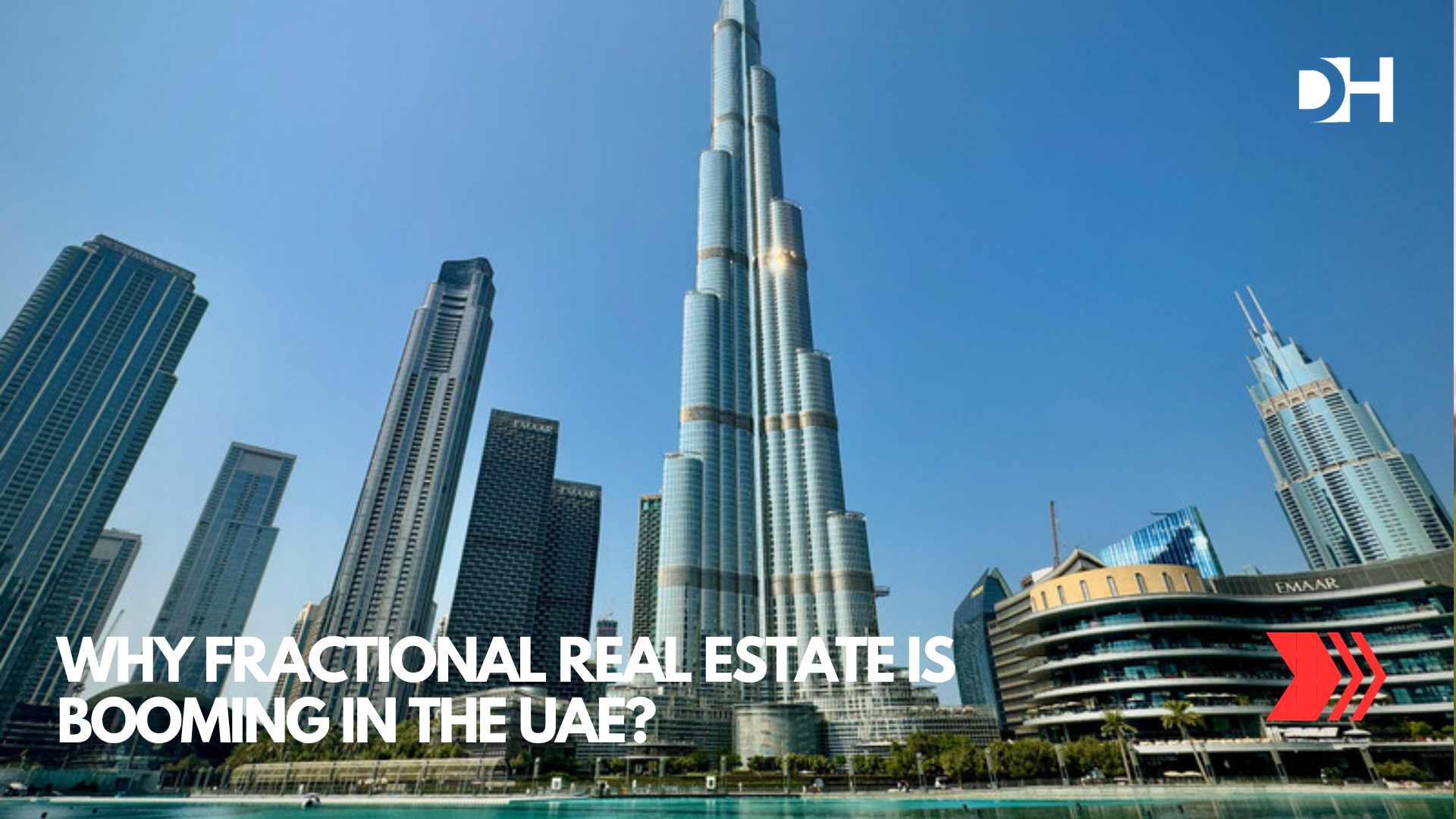
The UAE has long been one of the world’s most attractive property investment destinations. Cities such as Dubai and Abu Dhabi continue to draw local and international buyers seeking strong rental yields, tax advantages, and long-term capital appreciation. However, rising property prices in prime locations have made it difficult for many investors to purchase an entire property on their own.
This is where fractional real estate ownership is changing the market.
Fractional ownership allows multiple investors to own shares in a property, making real estate investing more accessible than ever before. Instead of needing hundreds of thousands or millions of dirhams to buy a property outright, investors can participate with a much smaller amount of capital. As a result, fractional real estate is rapidly gaining popularity across the UAE.
What Is Fractional Real Estate Ownership?
Fractional real estate ownership is a model in which several investors collectively own a property. Each investor purchases a fraction or percentage of the asset and receives a proportional share of rental income and potential capital gains.
For example, if a property is worth AED 1 million and is divided into 100 shares, an investor may purchase one or several shares rather than the entire property. This significantly lowers the entry barrier for property investment.
Unlike traditional property purchases, fractional ownership often involves a digital platform that manages the acquisition, legal structure, rental collection, maintenance, and reporting.
Why Is Fractional Real Estate Growing in the UAE?
Several factors are driving the boom.
Lower Entry Costs
One of the biggest advantages is affordability. Many people want exposure to the UAE property market but cannot afford a full apartment or villa in a prime location.
Fractional ownership enables investors to start with a relatively small investment, opening the market to younger professionals, first-time investors, and residents who previously felt priced out of real estate.
Access to Prime Locations
Investors can gain exposure to premium neighborhoods that would otherwise be difficult to enter. Areas such as Downtown Dubai, Dubai Marina, Business Bay, Palm Jumeirah, and other sought-after districts often require substantial capital for direct ownership.
Through fractional investment, investors can own a share of properties in these high-demand locations and benefit from their rental and appreciation potential.
Diversification
Buying a single property concentrates risk in one asset. Fractional ownership allows investors to spread their capital across multiple properties, locations, and property types.
For example, instead of purchasing one small apartment, an investor may hold fractional stakes in several residential units, serviced apartments, or holiday rental properties. This diversification can help reduce overall investment risk.
Strong UAE Property Market
The UAE property market has experienced significant growth in recent years. Population growth, economic expansion, tourism, and government initiatives have supported demand for housing and rental properties.
Many investors view fractional ownership as an opportunity to participate in this growth without committing large amounts of capital upfront.
Technology and Digital Platforms
The rise of property technology platforms has made fractional investing easier and more transparent. Investors can browse properties, review financial projections, purchase shares, and monitor performance through mobile apps and online dashboards.
This digital experience appeals particularly to younger investors who are comfortable managing investments online.
How Investors Earn Returns
Returns typically come from two sources.
Rental Income
When the property is leased, rental income is distributed among investors according to their ownership percentage.
Capital Appreciation
If the property increases in value and is eventually sold, investors receive a share of the profit based on their ownership stake.
This combination of income and potential appreciation is one reason fractional real estate has attracted attention from investors seeking alternatives to traditional savings products.
Why Millennials and Gen Z Are Interested
Younger investors are playing a major role in the growth of fractional ownership.
Many millennials and Gen Z professionals want to build wealth through real estate but face challenges such as:
- High property prices
- Large down payment requirements
- Mortgage eligibility constraints
- Desire for investment flexibility
Fractional ownership addresses these concerns by allowing gradual entry into the property market. Investors can start small and increase their exposure over time.
Benefits Beyond Affordability
The appeal goes beyond lower investment amounts.
Professional Management
Most fractional platforms handle tenant management, maintenance, paperwork, and financial reporting. This reduces the operational burden on investors.
Liquidity Potential
While real estate is generally less liquid than stocks, some platforms provide secondary markets where investors may be able to sell their shares, offering greater flexibility than traditional property ownership.
Passive Investing
Investors can gain exposure to real estate without dealing with tenants, repairs, or daily property management tasks.
Risks Investors Should Consider
Despite the benefits, fractional real estate is not risk-free.
Limited Liquidity
Selling a fractional stake may take longer than selling publicly traded investments.
Market Risk
Property values can rise and fall. Rental demand may also change depending on economic conditions.
Platform Risk
Investors should carefully evaluate the platform’s regulatory compliance, governance structure, fees, and track record.
Shared Decision-Making
Major decisions regarding the property may involve multiple investors, which can reduce individual control compared with owning a property outright.
The Regulatory Environment
The UAE has been actively developing regulations to support innovation in financial and real estate markets. Greater regulatory clarity is helping build confidence among investors and encouraging the growth of fractional property platforms.
As oversight continues to evolve, investor protection and transparency are expected to improve further.
Is Fractional Real Estate Replacing Traditional Ownership?
Not necessarily.
Traditional ownership remains attractive for people who want full control of a property, intend to live in it, or have sufficient capital for direct investment.
Fractional ownership serves a different audience: investors seeking accessibility, diversification, and passive exposure to real estate.
In many cases, investors use fractional ownership as a starting point before moving on to larger property investments later.
The Future of Fractional Real Estate in the UAE
The long-term outlook appears promising.
Several trends support continued growth:
- Increasing property prices in prime areas
- Rising interest in passive income investments
- Greater adoption of digital financial platforms
- Growing participation from younger investors
- Expanding real estate investment options
As awareness grows, fractional ownership could become a mainstream entry point into the UAE property market.
Conclusion
Fractional real estate is booming in the UAE because it solves one of the biggest challenges facing investors: access. By lowering capital requirements, providing exposure to prime properties, enabling diversification, and offering professionally managed investment opportunities, it has opened the door for a much wider group of people to participate in the real estate market.
For investors who want to benefit from the UAE’s property growth without purchasing an entire property, fractional ownership offers an attractive alternative. While it is important to understand the risks and choose reputable platforms, the model is reshaping how people think about property investment in the UAE.
As technology, regulation, and investor demand continue to evolve, fractional real estate is likely to play an increasingly important role in the future of UAE property investing.
Read More
- Dubai Allows Property Stake Resales in Major Real Estate Project
- Dubai Real Estate: A Five-Year Surge and Future Perspectives
- The Shifting Sands of Dubai’s Real Estate Market: Trends, Innovations, and Challenges
- Dubai Property Is Booming in 2025: What Every Investor Needs to Know