
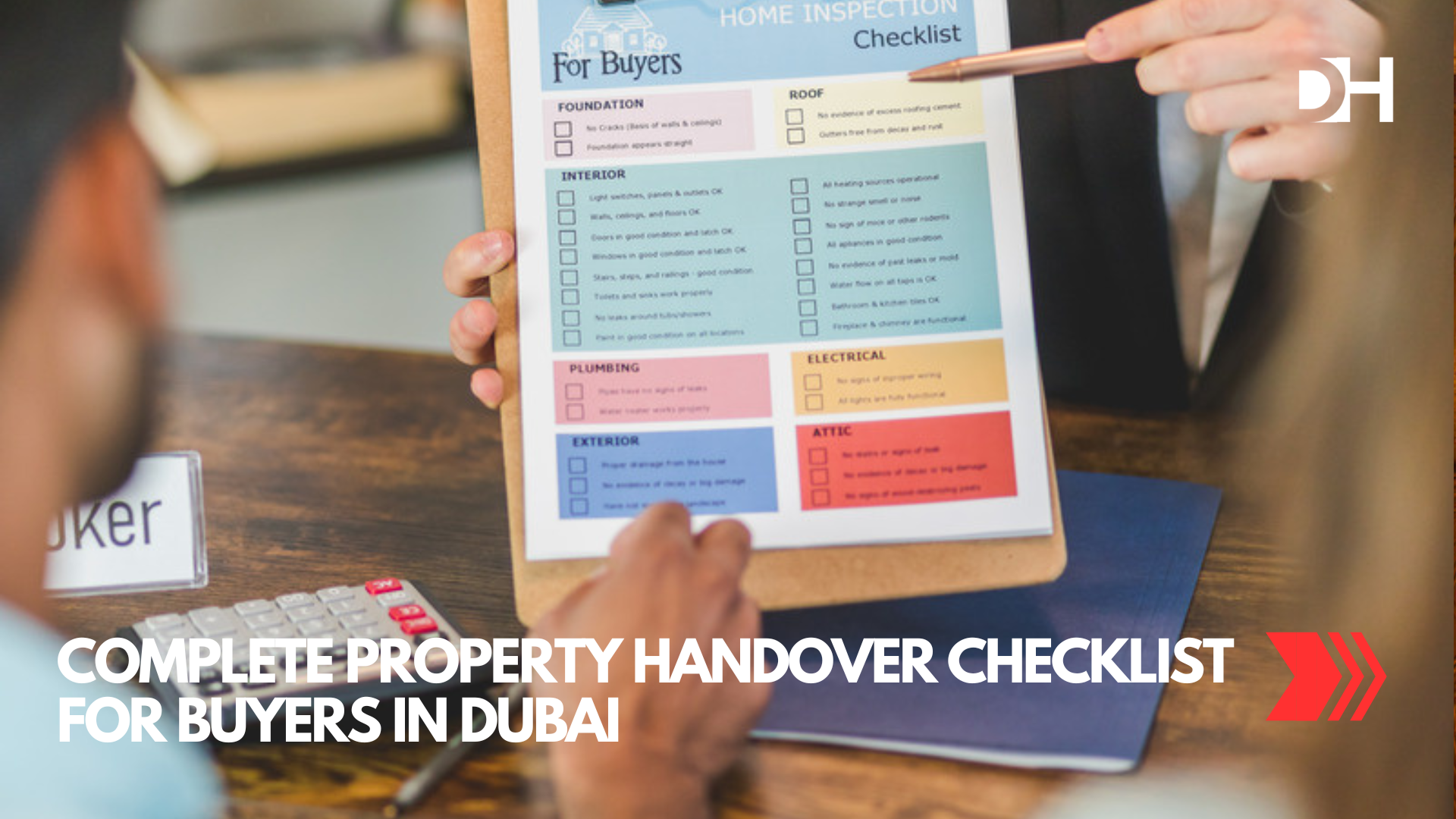
Buying a property in Dubai is an exciting milestone, whether you’re purchasing your first apartment, upgrading to a villa, or investing in real estate. However, the final handover stage is one of the most important parts of the process. A thorough property handover inspection can save buyers from unexpected repairs, legal complications, and additional expenses after moving in.
This complete property handover checklist for buyers in Dubai will help you verify every essential detail before accepting the keys to your new home.
What Is Property Handover in Dubai?
Property handover refers to the process where the developer or seller officially transfers possession of the property to the buyer. During this stage, buyers inspect the property, review documentation, settle any outstanding payments, and ensure that everything complies with the purchase agreement.
In Dubai, handovers apply to both off-plan and ready properties, although off-plan projects often involve more detailed snagging inspections to identify construction defects.
Why Is a Property Handover Checklist Important?
Many buyers rush through the handover process because they are eager to move in. However, overlooking small issues can lead to significant repair costs later.
A proper checklist helps buyers:
- Identify defects before taking possession.
- Ensure all promised amenities are completed.
- Verify legal and ownership documents.
- Confirm utility connections are functioning.
- Avoid disputes with developers or sellers.
- Protect their investment value.
Professional snagging companies are increasingly popular in Dubai because they help buyers detect hidden construction issues before acceptance.
1. Verify All Legal Documents
Before collecting the keys, ensure you have all necessary documents in order.
Check the following:
- Title deed issued by the relevant authorities.
- Sales and Purchase Agreement (SPA).
- Handover notice from the developer.
- No Objection Certificate (NOC), if applicable.
- Warranty documents for appliances and systems.
- Service charge information.
- Community rules and regulations.
Review every document carefully and ensure that the property details match your original agreement.
2. Conduct a Detailed Snagging Inspection
Snagging is the process of identifying defects, unfinished work, or quality issues before accepting the property.
Some common issues include:
- Cracked walls or ceilings.
- Uneven paint finishes.
- Loose tiles.
- Damaged flooring.
- Faulty doors and windows.
- Water leakage.
- Poor sealant application.
Take photographs and prepare a written list of all defects. Request the developer or seller to resolve these issues before signing the final acceptance documents.
3. Check Doors, Locks, and Windows
Security and functionality should be thoroughly inspected.
Ensure that:
- Main entrance locks work smoothly.
- Bedroom and bathroom doors close properly.
- Sliding doors operate without resistance.
- Windows open and lock securely.
- Glass panels have no cracks or scratches.
- Weather seals are properly installed.
Any defective locking mechanisms should be fixed immediately for safety reasons.
4. Test Electrical Systems
Electrical inspections are critical during property handover.
Verify:
- All light switches function correctly.
- Power outlets supply electricity.
- Circuit breakers are labeled properly.
- Air conditioning systems operate efficiently.
- Doorbells and intercom systems work.
- Smoke detectors are installed and operational.
If the property includes smart home technology, test every integrated feature before accepting handover.
5. Inspect Plumbing and Water Systems
Water-related defects can become costly if ignored.
Check:
- Water pressure in bathrooms and kitchens.
- Faucets and shower fixtures.
- Toilet flushing systems.
- Drainage efficiency.
- Water heater operation.
- Signs of leaks beneath sinks.
- Outdoor irrigation systems in villas.
Run taps for several minutes to identify hidden plumbing issues.
6. Examine Kitchen Fixtures and Appliances
For furnished or semi-furnished homes, inspect every appliance carefully.
Review:
- Oven and stove functionality.
- Refrigerator performance.
- Dishwasher operation.
- Exhaust systems.
- Kitchen cabinets and hinges.
- Countertops for cracks or scratches.
- Sink drainage.
Request warranty documentation for all installed appliances.
7. Inspect Bathrooms Thoroughly
Bathrooms are among the most defect-prone areas in newly completed properties.
Check for:
- Proper tile installation.
- Grouting quality.
- Shower water pressure.
- Water leakage around fixtures.
- Ventilation systems.
- Functional exhaust fans.
- Stable toilet fittings.
Mold, damp patches, or unpleasant odors may indicate hidden water issues.
8. Verify Air Conditioning Performance
Air conditioning is essential in Dubai’s climate.
Ensure:
- All units cool effectively.
- Temperature controls work properly.
- Air filters are clean.
- There are no unusual noises.
- Water drainage from AC systems functions correctly.
Ask for maintenance guidelines and warranty coverage from the developer.
9. Check Community Facilities and Amenities
If the developer promised specific amenities, verify their completion.
Inspect:
- Swimming pools.
- Fitness centers.
- Children’s play areas.
- Parking spaces.
- Security systems.
- Landscaping.
- Retail and community services.
Buyers should confirm that facilities mentioned in marketing materials or agreements are available and operational.
10. Confirm Utility Connections
Before moving in, ensure essential services are connected.
These include:
- Electricity.
- Water supply.
- Internet services.
- Gas connections.
- District cooling systems where applicable.
Complete all registration procedures with relevant service providers to avoid delays after handover.
11. Understand Service Charges and Maintenance Fees
Dubai property owners are responsible for annual service charges.
Ask for information regarding:
- Maintenance fees per square foot.
- Payment schedules.
- Building maintenance responsibilities.
- Community management services.
- Reserve fund contributions.
Understanding these costs helps buyers budget effectively for long-term ownership.
12. Obtain All Keys, Access Cards, and Manuals
Many buyers forget to verify access items during handover.
Ensure you receive:
- Main door keys.
- Mailbox keys.
- Parking access cards.
- Community gate remotes.
- Smart home control systems.
- Appliance manuals.
- Warranty certificates.
Create a checklist and confirm that every item has been delivered.
Should You Hire a Professional Snagging Company?
Professional snagging inspections have become common among Dubai buyers, especially for off-plan properties.
Experts use specialized equipment to identify:
- Thermal leaks.
- Hidden moisture problems.
- Structural defects.
- Electrical faults.
- HVAC inefficiencies.
While hiring professionals involves additional costs, it can save thousands of dirhams in future repairs and disputes.
Final Thoughts
Completing a thorough property handover checklist is one of the smartest decisions a buyer can make in Dubai. From legal documentation and snagging inspections to utility checks and community facilities, every detail matters.
Taking the time to inspect your property carefully ensures that defects are addressed before you officially accept ownership. Whether you’re buying an apartment in Downtown Dubai or a family villa in an emerging community, following this checklist will help protect your investment and provide peace of mind.
A successful handover is not just about receiving the keys—it’s about ensuring your new property meets the quality, safety, and standards you paid for.
Read More
- Everything You Need to Know Before Buying Property in Ras Al Khaimah
- Is Now a Good Time to Buy Property in Dubai?
- What Are the Additional Costs of Buying Property in Dubai?