
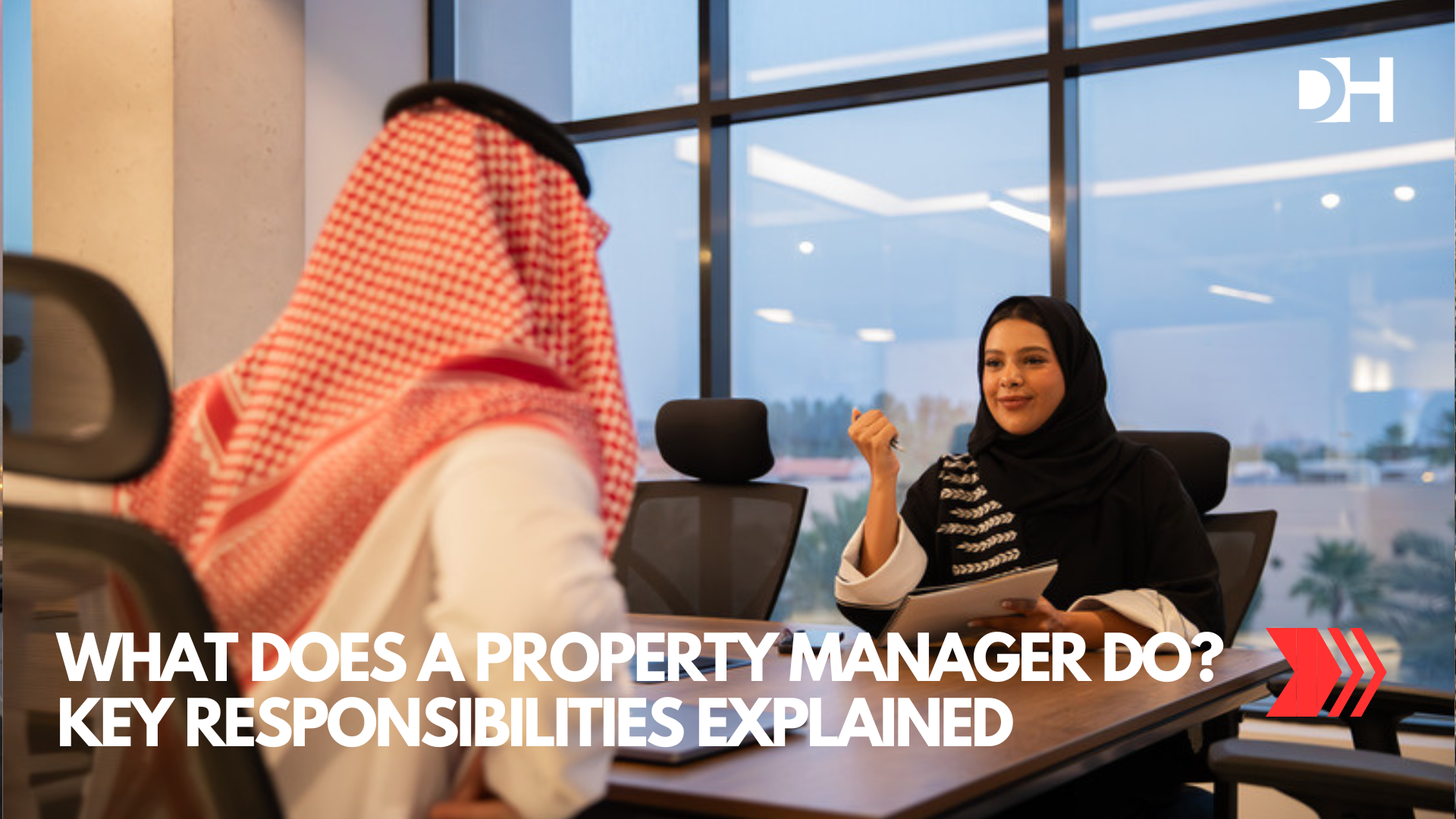
Property ownership can be rewarding, but it also comes with a long list of responsibilities. From finding reliable tenants and collecting rent to handling maintenance requests and ensuring legal compliance, managing a property requires time, expertise, and attention to detail. This is where a property manager plays a crucial role.
Whether you own a residential apartment, a villa, a commercial building, or a portfolio of investment properties, understanding the role of a property manager can help you make informed decisions about your real estate assets. In growing real estate markets such as Dubai, professional property management has become an essential service for many landlords and investors.
What Is a Property Manager?
A property manager is a professional or company responsible for overseeing the day-to-day operations of a property on behalf of the owner. Their primary goal is to maintain the property’s value, ensure tenant satisfaction, and maximize rental income.
Property managers act as the link between property owners and tenants. They handle administrative, financial, and operational tasks, allowing owners to enjoy the benefits of their investment without being involved in every detail.
Key Responsibilities of a Property Manager
1. Marketing Vacant Properties
One of the most important responsibilities of a property manager is reducing vacancy periods. Empty properties generate no rental income, making effective marketing essential.
Property managers typically:
- Create professional property listings
- Advertise on real estate portals
- Arrange property viewings
- Highlight key features and amenities
- Develop pricing strategies based on market conditions
By attracting qualified tenants quickly, property managers help owners maintain consistent cash flow.
2. Tenant Screening and Selection
Finding the right tenant is critical for long-term property success. Property managers conduct thorough screening processes to minimize risks associated with late payments, property damage, or lease violations.
The screening process often includes:
- Verifying employment and income
- Checking rental history
- Conducting background checks where permitted
- Reviewing references
- Assessing financial stability
A carefully selected tenant can contribute significantly to the property’s profitability and maintenance.
3. Managing Lease Agreements
Property managers prepare and oversee lease agreements that protect both the landlord and tenant.
Their responsibilities include:
- Drafting lease contracts
- Explaining lease terms
- Ensuring legal compliance
- Managing lease renewals
- Handling lease terminations
Proper lease management reduces misunderstandings and creates clear expectations for all parties involved.
4. Rent Collection and Financial Management
Rent collection is one of the core duties of a property manager. They establish payment schedules, monitor incoming payments, and address overdue accounts.
Financial responsibilities may include:
- Collecting monthly rent
- Tracking expenses
- Managing security deposits
- Preparing financial reports
- Monitoring property budgets
Many property managers provide owners with detailed reports that offer insights into property performance and profitability.
5. Property Maintenance and Repairs
Maintaining a property is essential for preserving its value and keeping tenants satisfied. Property managers coordinate routine maintenance and respond to repair requests promptly.
Common maintenance responsibilities include:
- Scheduling inspections
- Coordinating repairs
- Managing contractors and vendors
- Supervising renovation projects
- Conducting preventive maintenance
Regular upkeep helps prevent costly issues and ensures the property remains attractive to current and future tenants.
6. Handling Tenant Communication
Property managers serve as the primary point of contact for tenants. They respond to inquiries, resolve complaints, and address concerns in a professional manner.
Effective communication helps:
- Improve tenant satisfaction
- Increase lease renewal rates
- Reduce conflicts
- Build positive landlord-tenant relationships
For owners who live abroad or manage multiple properties, having a dedicated property manager can significantly simplify communication.
7. Ensuring Legal and Regulatory Compliance
Real estate regulations can be complex and subject to change. Property managers stay informed about local laws and ensure the property complies with all applicable regulations.
Compliance responsibilities may include:
- Following rental laws
- Managing security deposit requirements
- Adhering to health and safety standards
- Ensuring proper documentation
- Handling legal notices when necessary
This expertise helps property owners avoid costly legal disputes and penalties.
8. Conducting Property Inspections
Regular inspections are essential for monitoring the condition of a property and identifying maintenance needs before they become major problems.
Property managers typically perform:
- Move-in inspections
- Move-out inspections
- Routine maintenance inspections
- Annual property assessments
Inspection reports provide valuable documentation and help maintain accountability among tenants and service providers.
9. Managing Tenant Move-Ins and Move-Outs
The move-in and move-out process requires careful coordination. Property managers oversee these transitions to ensure a smooth experience for both owners and tenants.
Responsibilities include:
- Property handovers
- Inventory checks
- Utility coordination
- Security deposit evaluations
- Final inspections
Efficient management of tenant transitions helps reduce vacancies and maintain property standards.
10. Maximizing Property Value
Beyond handling daily operations, property managers focus on protecting and increasing the property’s long-term value.
Strategies may include:
- Recommending upgrades
- Monitoring market trends
- Adjusting rental rates
- Planning capital improvements
- Improving tenant retention
A skilled property manager can help owners achieve stronger returns on investment over time.
Why Property Management Matters in Dubai
Dubai’s real estate market attracts investors from around the world. Many property owners reside outside the UAE and rely on professional property management services to oversee their investments.
Property managers in Dubai help owners navigate:
- Tenant management
- Rental regulations
- Property maintenance
- Service charge coordination
- Market-driven rental pricing
With Dubai’s competitive rental market, professional management can make a significant difference in maintaining occupancy and maximizing returns.
Benefits of Hiring a Property Manager
Hiring a property manager offers several advantages for landlords and investors:
Saves Time
Property managers handle daily responsibilities, allowing owners to focus on other priorities.
Reduces Stress
Managing tenants, maintenance issues, and legal requirements can be demanding. A property manager takes care of these tasks on the owner’s behalf.
Improves Tenant Retention
Professional communication and prompt maintenance responses contribute to higher tenant satisfaction and longer lease terms.
Enhances Financial Performance
Effective rent collection, reduced vacancies, and proactive maintenance help improve profitability.
Protects the Investment
Regular inspections and professional oversight help preserve property condition and value.
Is a Property Manager Right for You?
A property manager can be especially beneficial if you:
- Own multiple properties
- Live in another city or country
- Have limited time to manage tenants
- Want professional expertise
- Prefer a hands-off investment approach
While property management services involve fees, many owners find that the benefits outweigh the costs through improved efficiency, reduced vacancies, and better overall property performance.
Conclusion
A property manager plays a vital role in the success of any rental property. From tenant screening and rent collection to maintenance coordination and legal compliance, they handle the day-to-day responsibilities that keep a property running smoothly.
For property owners and investors, especially in dynamic markets like Dubai, professional property management can save time, reduce stress, and help maximize long-term returns. Understanding these key responsibilities allows owners to make informed decisions and ensure their real estate investments are managed effectively.
Read More
- Where to Find the Best Property Deals as Dubai Prices Ease
- What Are the Additional Costs of Buying Property in Dubai?
- Will Dubai Property Prices Increase in 2026? Expert Market Predictions