
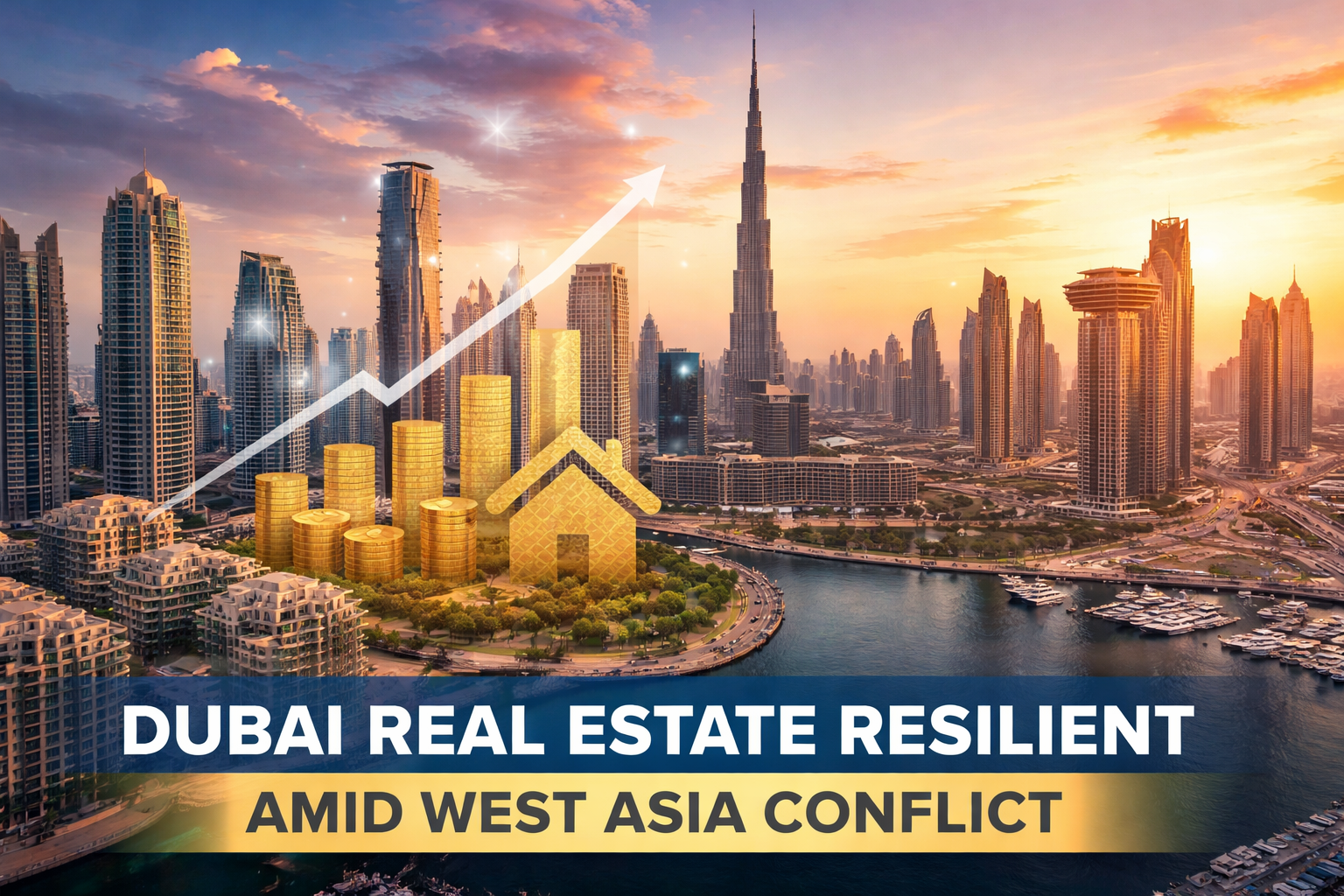
The global spotlight has once again turned toward West Asia due to ongoing geopolitical tensions. While such conflicts often trigger uncertainty across financial markets, Dubai’s real estate sector continues to demonstrate remarkable resilience. Despite regional instability, the emirate’s property market remains stable, attracting investors from across the globe.
Dubai has long been recognized as a safe haven for real estate investment, and current trends show that confidence in the market remains strong. This article explores how Dubai real estate is holding its ground and why it continues to be a preferred destination for investors even during uncertain times.
Impact of West Asia Conflict on Global Markets
Geopolitical tensions in West Asia typically influence oil prices, stock markets, and investor sentiment. In many regions, real estate activity slows down as investors adopt a cautious approach. However, Dubai presents a unique case.
Instead of experiencing a downturn, Dubai often benefits from such situations. Investors seeking stability and security tend to redirect their funds toward safer markets, and Dubai stands out due to its political stability, strong governance, and investor-friendly policies.
Why Dubai Real Estate Remains Strong?
1. Safe Haven for Global Investors
Dubai has built a reputation as a secure and stable investment destination. With a well-regulated property market and transparent legal framework, investors feel confident parking their funds in the emirate.
In times of geopolitical uncertainty, high-net-worth individuals (HNWIs) and international buyers increasingly choose Dubai over more volatile markets.
2. Strong Demand from International Buyers
One of the key reasons behind Dubai’s resilience is its diverse investor base. Buyers from Europe, Asia, and the Middle East continue to invest in Dubai properties, ensuring consistent demand.
Luxury villas, waterfront apartments, and branded residences remain particularly popular, with many investors looking for both capital appreciation and rental income.
3. Government Initiatives and Policies
The Dubai government has implemented several policies to boost the real estate sector, including:
- Long-term residency visas (Golden Visa)
- 100% foreign ownership in many sectors
- Investor-friendly regulations
- Ease of doing business
These initiatives have strengthened investor confidence and contributed to sustained growth in the property market.
4. Robust Infrastructure and Development
Dubai’s continuous investment in infrastructure plays a crucial role in maintaining market stability. From world-class transportation systems to smart city initiatives, the emirate continues to enhance its appeal.
A Mega projects and new developments ensure that the supply meets evolving demand while maintaining high standards of living.
Luxury Segment Driving Growth
The luxury property segment has been a standout performer in recent years. High-end properties in areas such as Palm Jumeirah, Downtown Dubai, and Dubai Marina continue to attract wealthy investors.
Demand for ultra-luxury homes has surged, driven by global elites seeking secure and high-quality living environments. Even amid regional tensions, this segment shows no signs of slowing down.
Rental Market Stability
Dubai’s rental market has also remained strong. With a growing population and an influx of expatriates, rental demand continues to rise.
Many investors are drawn to Dubai due to its attractive rental yields, which are often higher compared to global cities like London or New York. This steady rental income provides an added layer of security during uncertain times.
Currency Advantage and Tax Benefits
Another factor contributing to Dubai’s real estate resilience is its favorable tax environment. The absence of property tax and capital gains tax makes it highly attractive for investors.
Additionally, the UAE dirham’s peg to the US dollar provides currency stability, reducing risks for international buyers.
Market Outlook for 2026
Looking ahead, Dubai’s real estate market is expected to maintain its positive trajectory. While geopolitical tensions may continue in West Asia, their direct impact on Dubai remains limited.
Key trends to watch include:
- Continued demand for luxury properties
- Growth in off-plan investments
- Increased interest from new international markets
- Expansion of sustainable and smart developments
Experts believe that Dubai will continue to benefit from its status as a global investment hub.
Challenges to Monitor
While the market remains strong, there are some factors investors should keep an eye on:
- Global economic fluctuations
- Interest rate changes
- Potential oversupply in certain segments
However, Dubai’s proactive approach to regulation and planning helps mitigate these risks effectively.
Conclusion
Dubai’s real estate market has once again proven its resilience in the face of regional challenges. While the West Asia conflict has created uncertainty elsewhere, Dubai continues to attract investors, maintain demand, and deliver strong performance.
Its combination of stability, investor-friendly policies, tax advantages, and world-class infrastructure makes it a standout choice in the global property market.
For investors seeking security and long-term growth, Dubai remains a compelling destination—even in uncertain times.
Source: Economictimes
Read More
- Dubai Property Market Records Growth in March Despite Regional Conflict
- Which Areas Are Booming in Dubai’s Property Market in 2026?
- Will Dubai Property Prices Fall After Iran Attack? Market Impact Explained
- Impact of War on Dubai Real Estate Market
- Dubai Property Market Gains Momentum as Ceasefire Eases Tensions